
A Beginner's Guide to British Gull Species
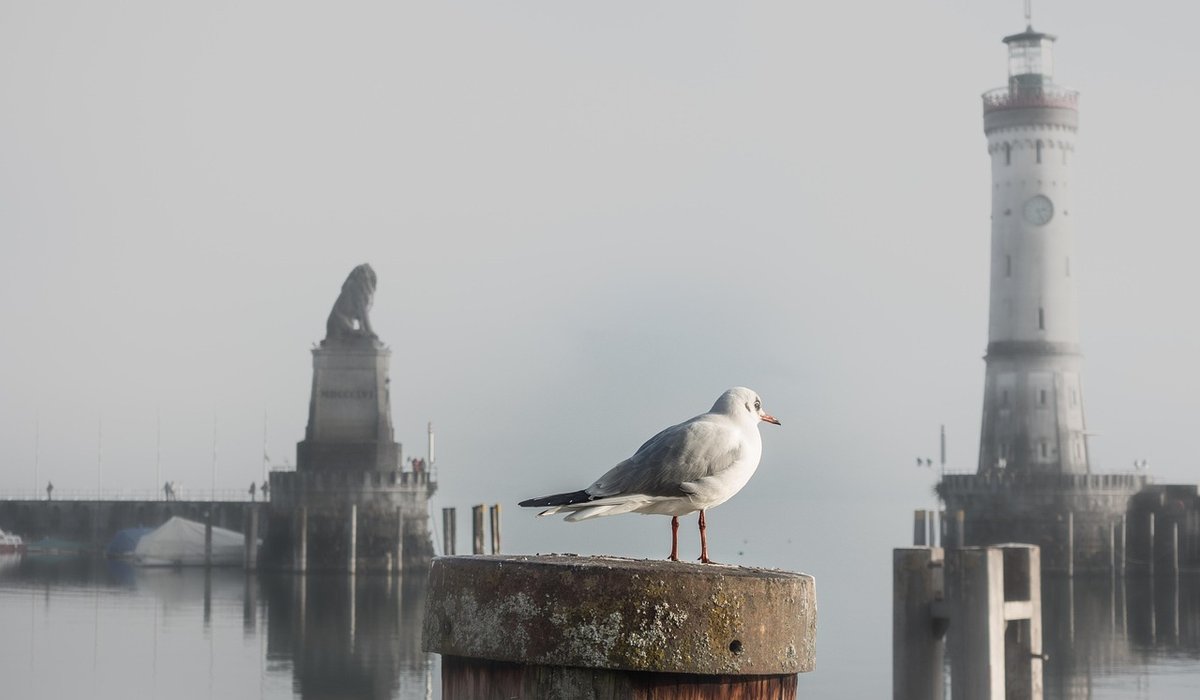
There's No Such Bird as a Seagull
If you have ever stood on a British pier with a bag of chips, you will know that gulls are confident, loud and entirely unbothered by human company. What you may not know is that "seagull" is not a species. It is a catch-all term, and a lazy one. Britain hosts around half a dozen gull species that you can realistically identify from a seaside bench, plus a few rarities worth keeping an eye out for.
The good news is that gulls are among the easiest birds in Britain to learn. They sit still, they are big, and they usually let you get close. You do not need expensive optics or years of experience. You need to look at three things: the colour of the back, the colour of the legs and the pattern on the bill.
The Big Three: Herring, Lesser Black-Backed and Great Black-Backed
These are the heavyweight gulls, and they account for most of what you will see on beaches, rooftops and car parks.
- Herring Gull. The classic seaside gull. Pale grey back, pink legs and a heavy yellow bill with a red spot near the tip. Adults have a bright, clean look. Juveniles are streaky brown and take four years to reach full adult plumage, which is why so many people misidentify them. Listen for the familiar descending wail, often described as a laughing cry.
- Lesser Black-Backed Gull. Slightly smaller and more slender than a Herring Gull, but with a dark slate-grey back and, crucially, yellow legs. Increasingly a town bird, and a common rooftop nester in coastal cities. If you see a dark-backed gull on a chimney pot, this is usually your bird.
- Great Black-Backed Gull. The largest gull in the world, and it looks it. Broad chest, heavy bill, black back, pink legs. It is a pirate by nature, chasing other birds until they drop their food. Give it space, particularly near nests or chicks.
The Smaller Gulls: Black-Headed and Common
Our two smallest common gulls are the ones people most often overlook, partly because they are daintier and partly because their names are misleading.
- Black-Headed Gull. Not black-headed at all, really. In summer it wears a chocolate-brown hood, and in winter that hood vanishes, leaving a white head with a neat dark smudge behind the eye. Red bill and red legs in adults. It is by far the most numerous gull inland, and large winter flocks gather on playing fields, reservoirs and estuaries.
- Common Gull. Badly named, since it is far less common than the Black-Headed in most of England. Smaller than a Herring Gull, with a pale grey back, greenish-yellow legs and a gentle, rounded expression. It is genuinely common in Scotland. In winter you will often find them mixing with Black-Headed Gulls on grass.
Kittiwakes: The Real Seabirds
Most gulls have adapted cheerfully to a diet of discarded pasties, but the Kittiwake has not. It is a true ocean gull, rarely seen inland and almost never on a chip shop pavement. You will find it nesting on narrow cliff ledges around northern and western Britain, packed shoulder to shoulder in raucous colonies.
Identifying one is refreshingly simple. It is a small, gentle-looking gull with a pale grey back, black legs, a yellow bill and a dark eye that gives it a permanently startled expression. The wingtips look as though they have been dipped in ink, solid black with no white spots. In winter, adults develop a soft grey collar on the back of the neck. Its name comes from its call, a repeated kitti-wake that carries across the cliffs on a windy day.
Mediterranean Gulls and Other Oddities
Once you are confident with the common species, a whole world of possibility opens up. The Mediterranean Gull is the one most beginners actually stand a chance of finding. Adults have a jet-black hood, a rich red bill and pure white wingtips, which is the key difference from the Black-Headed Gull's grey and black wingtips. They tend to appear in Black-Headed Gull flocks, often on the south and east coasts.
Keep half an eye out too for Little Gulls, dainty and tern-like with a black underwing, and for the occasional Yellow-Legged Gull, which looks like a Herring Gull with yellow legs and a slightly darker back. In winter, northern visitors such as Glaucous and Iceland Gulls turn up in small numbers, mostly in Scotland and the north-east.
Telling Them Apart: A Few Practical Habits
A handful of simple habits will speed up your learning enormously.
- Judge size first. Compare any unfamiliar gull against the Herring Gulls around it. Smaller, bigger or about the same narrows things quickly.
- Check the legs before the back. Leg colour is usually obvious and stable, even in poor light.
- Accept that young gulls are hard. Big gulls take three or four years to reach adult plumage, and brown mottled birds are genuinely tricky. Practise on adults first.
- Use the seasons. Black-Headed Gulls lose their hoods in autumn, so a brown-headed bird in July is a different proposition from a white-headed one in January.
- Watch behaviour. Rooftop nester, cliff ledge, estuary flock or landfill site. Where a gull is tells you a great deal about which gull it is.
- Do not feed them. It encourages aggression, damages their health and creates problems for other people. Enjoy them from a sensible distance instead.
Learn the big three, get your eye in on the small two, and the rest will follow with patience and a decent pair of binoculars.


Simple camera settings and fieldcraft tips for capturing sharp, dramatic images of gulls soaring above the coastline without expensive gear.
Even a small seaside balcony can attract birds with native plants, shallow water and sheltered nesting spots away from predators.
These charismatic seabirds return to specific cliff colonies each spring. Discover respectful ways to watch them without causing disturbance.
Keep your food safe and gulls wild by choosing covered bins, avoiding hand-feeding and eating away from nesting areas.